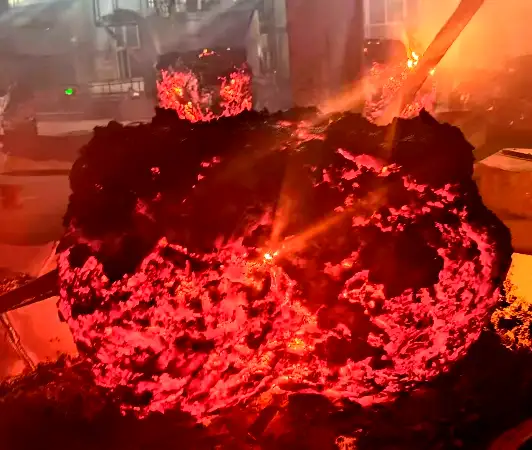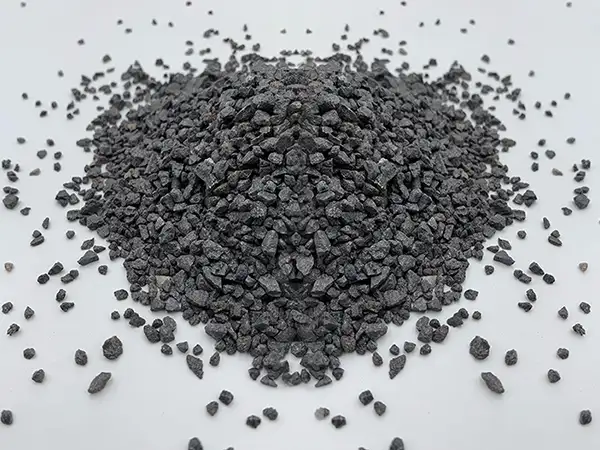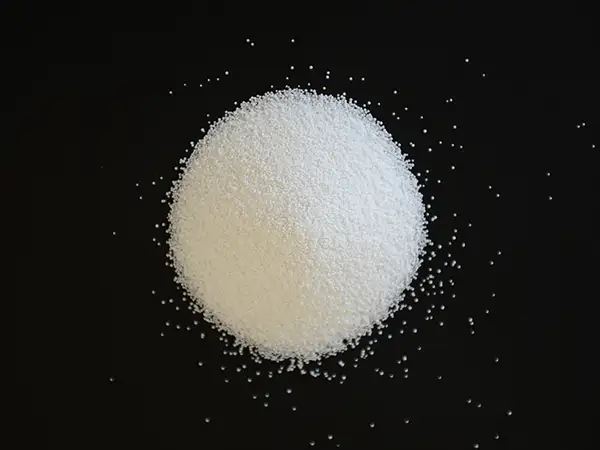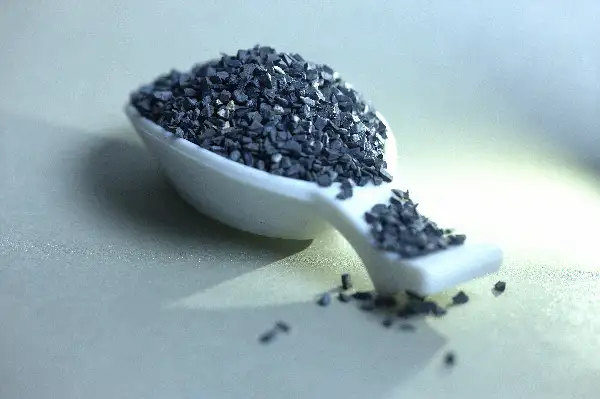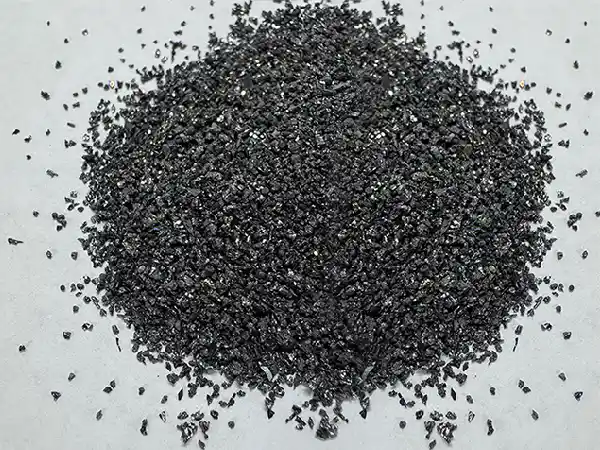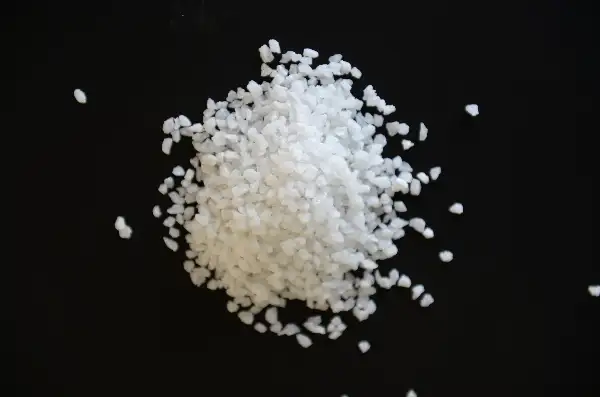
White Fused Alumina (WFA) is a high-purity refractory raw material composed primarily of alpha-alumina (α-Al₂O₃) (≥99.0%), produced by fusing high-purity alumina feedstock in an electric arc furnace. Unlike brown fused alumina (BFA), WFA contains minimal impurities (Fe₂O₃ <0.05%, TiO₂ <0.1%), which eliminates liquid-phase sintering but grants exceptional chemical inertness, high-temperature volume stability, and resistance to corrosive melts.
White Fused Alumina (WFA) is a high-purity refractory raw material composed primarily of alpha-alumina (α-Al₂O₃) (≥99.0%), produced by fusing high-purity alumina feedstock in an electric arc furnace. Unlike brown fused alumina (BFA), WFA contains minimal impurities (Fe₂O₃ <0.05%, TiO₂ <0.1%), which eliminates liquid-phase sintering but grants exceptional chemical inertness, high-temperature volume stability, and resistance to corrosive melts. These properties make WFA the material of choice for premium, high-performance refractory systems in industries where contamination control and extreme thermal resistance are critical.
WFA’s performance in ultra-harsh environments is defined by its unique chemical and physical characteristics:
• Ultra-High Purity: Low impurity levels prevent the formation of low-melting-point glassy phases, ensuring structural stability at temperatures exceeding 1,800°C.
• Excellent Volume Stability: Exhibits very low thermal expansion (7.6 × 10⁻⁶ /°C) and no phase transformation up to its melting point (2,050°C), minimizing thermal shock and creep deformation.
• Superior Corrosion Resistance: Its dense, pure alumina structure is highly resistant to attack by alkaline slags, glass melts, and corrosive gases (e.g., SOx, Cl₂), which readily react with impure aluminas.
• High Hardness & Wear Resistance: With a Mohs hardness of 9.0, WFA resists mechanical abrasion even at elevated temperatures.
WFA is the gold standard for glass melting furnaces due to its non-reactivity with molten glass:
• Glass Furnace Crowns & Superstructures: WFA-based bricks and castables line the upper sections of furnaces, where they resist corrosion from alkaline vapors (Na₂O, K₂O) and thermal cycling.
• Contact Zones with Glass Melts: In areas where refractories touch molten glass (e.g., throat blocks, feeder channels), WFA prevents contamination of the glass batch, avoiding defects like stones or color changes.
• Glass Tempering Furnace Rollers: WFA micro powder is used in ceramic coatings for rollers, providing high hardness and thermal shock resistance to handle rapid heating/cooling of glass sheets.
WFA’s purity makes it ideal for manufacturing high-performance ceramic components:
• High-Temperature Kiln Furniture: Used to produce setter plates, saggers, and kiln shelves for firing electronic ceramics, sanitaryware, and advanced materials. WFA ensures these components do not warp or contaminate the products being fired.
• Thermal Insulation Materials: WFA fiber and porous ceramics are used in aerospace and industrial insulation, offering lightweight design with excellent heat resistance.
For processing aluminum, copper, and other non-ferrous metals:
• Aluminum Smelting Cells: WFA-based refractories line the side walls of reduction cells, resisting attack by molten aluminum and cryolite bath.
• Copper Converter Linings: WFA castables are used in critical areas due to their resistance to acidic slags and high-temperature abrasion.
In environments with aggressive chemicals and high temperatures:
• Acid Resistant Linings: WFA is used in bricks and monolithics for chemical reactors and incinerators handling acidic wastes, as it is non-reactive with most acids at high temperatures.
• Catalyst Supports: Porous WFA ceramics serve as supports for high-temperature catalysts in petrochemical cracking processes.
WFA micro powder is a key component in precision ceramic shells:
• Face Coat & Backup Layers: It is used to produce shells for casting superalloys (aerospace turbines), stainless steel, and medical implants. WFA ensures the shell can withstand the thermal shock of molten metal and provides a smooth surface finish on the cast part.
WFA is utilized in various forms to suit different refractory needs:
• Aggregate (1–50mm): Crushed and sized WFA is used as the main structural component in high-purity bricks and castables.
• Fines & Micro Powder (<0.088mm): Used as a matrix material, binder, or sintering aid in castables, coatings, and advanced ceramics. Ultra-fine grades (≤1μm) are critical for precision applications like investment casting.
• Tabular Alumina (from WFA): WFA is calcined at 1,800–1,900°C to produce tabular alumina, a premium refractory aggregate with enhanced volume stability and creep resistance.
• Purity & Contamination Control: WFA outperforms BFA in applications where even trace metal contamination (e.g., Fe, Ti) is unacceptable, such as glass and electronics manufacturing.
• Alkali Resistance: Unlike silica-based refractories, WFA is highly resistant to alkaline attack, making it suitable for cement and glass industries.
• Longevity: In high-temperature, corrosive environments, WFA refractories have a significantly longer service life than cheaper alternatives, reducing maintenance costs.
White Fused Alumina(WFA) is an indispensable material in the premium refractory sector, valued for its unmatched purity, volume stability, and corrosion resistance. It is the material of choice for critical applications in the glass, electronics, aerospace, and chemical industries, where performance and contamination control are non-negotiable. While more expensive than BFA, WFA’s ability to withstand the most extreme thermal and chemical environments justifies its use in high-value manufacturing processes.
|
Items |
Unit |
Index |
Typical |
|
|
Chemical composition |
Al2O3 |
% |
99.00min |
99.32 |
|
SiO2 |
% |
0.20max |
0.11 |
|
|
Fe2O3 |
% |
0.10max |
0.07 |
|
|
Na2O |
% |
0.40max |
0.23 |
|
|
Refractoriness |
℃ |
1850min |
||
|
Bulk density |
g/cm3 |
3.50min |
||
|
Mohs hardness |
--- |
9.00min |
||
|
Principal crystalline phase |
--- |
α-Al2O3 |
||
|
Refractory grade |
Grain |
mm |
0-50, 0-1, 1-3, 3-5, 5-8 |
|
|
|
Fines |
mesh |
-200, -325 |
|
|
Grit (F grade and P grade) |
FEPA |
8, 14, 16, 20, 22,24, 30, 36, 40, 46, 60, 70, 80, 90, 100, 120, 150, 180, 220, 240 |
||
More information pls contact us:

Zhengzhou Xiangyu New Material Co.,Ltd
We provide bespoke industry solutions for diverse sectors.