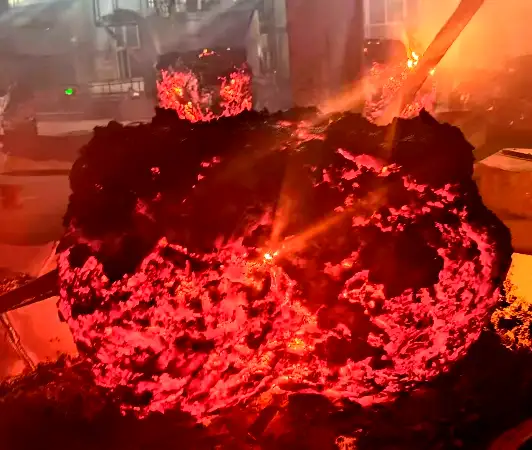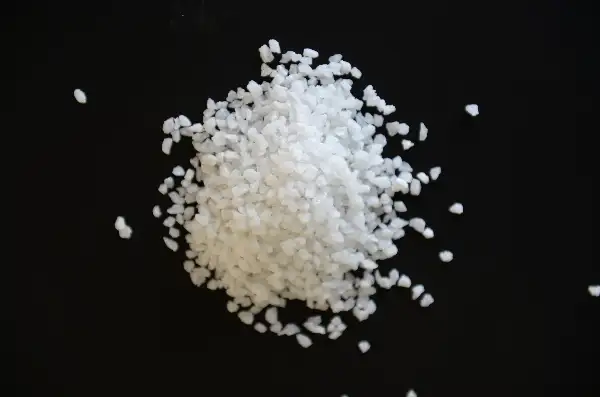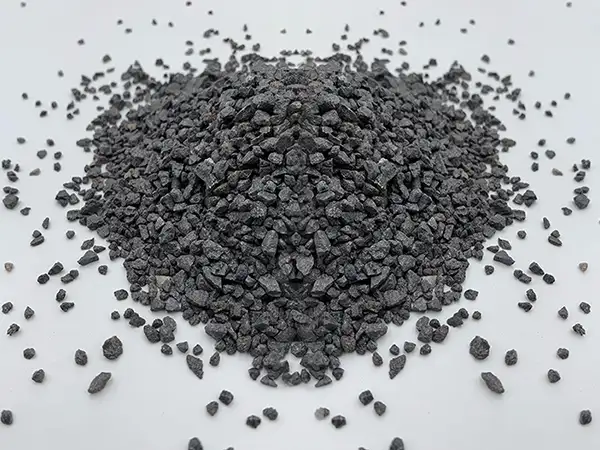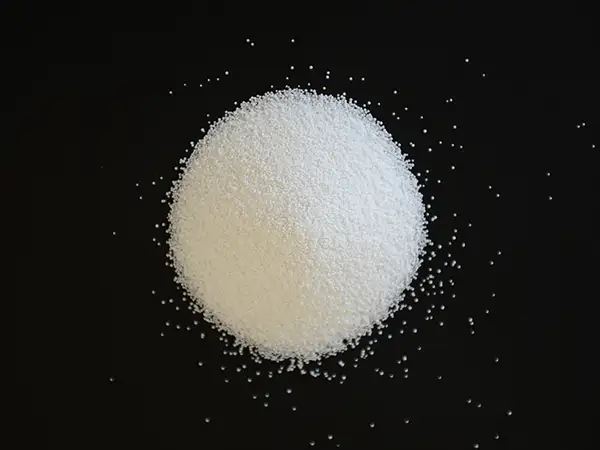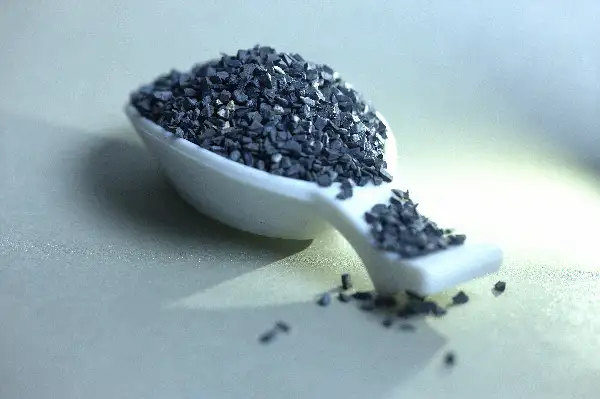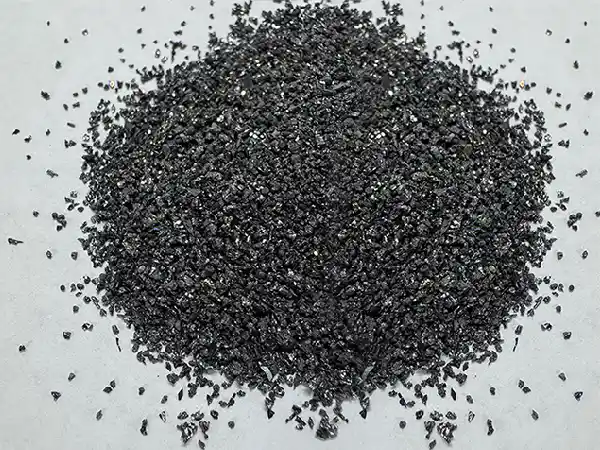
Black Silicon Carbide (SiC) is a high-performance non-oxide refractory material prized for its exceptional thermal conductivity, thermal shock resistance, and corrosion resistance—properties that set it apart from alumina-based refractories like brown or white fused alumina. Produced by fusing silica and carbon at over 2,500°C, black SiC contains minor impurities (free carbon, iron) that enhance its toughness and electrical conductivity, making it ideal for extreme high-temperature environments involving rapid heating/cooling cycles, corrosive slags, or molten metal contact.
Black Silicon Carbide (SiC) is a high-performance non-oxide refractory material prized for its exceptional thermal conductivity, thermal shock resistance, and corrosion resistance—properties that set it apart from alumina-based refractories like brown or white fused alumina. Produced by fusing silica and carbon at over 2,500°C, black SiC contains minor impurities (free carbon, iron) that enhance its toughness and electrical conductivity, making it ideal for extreme high-temperature environments involving rapid heating/cooling cycles, corrosive slags, or molten metal contact.
Black Silicon Carbide (SiC) unique microstructure and chemistry deliver four critical advantages for refractory applications:
• Exceptional Thermal Shock Resistance: With one of the lowest thermal expansion coefficients among ceramics (4.5–5.0 × 10⁻⁶/°C) and high thermal conductivity (80–100 W/m·K), it withstands rapid temperature swings (e.g., from 1,600°C to room temperature) without cracking—far outperforming alumina refractories.
• High Refractoriness & Creep Resistance: It retains structural integrity up to 2,400°C (sublimation point) and exhibits minimal creep deformation under load at extreme temperatures, critical for long-life linings.
• Superior Corrosion & Erosion Resistance: Its dense, covalent-bonded structure resists attack by alkaline slags, molten aluminum, copper, and zinc, as well as abrasive wear from high-velocity particles (e.g., in blast furnaces or cement kilns).
• Electrical Conductivity: Unlike insulating alumina refractories, Black Silicon Carbide (SiC) is a semiconductor, enabling its use in electrically heated furnaces (e.g., resistance heating elements) and cathodic protection systems in metallurgy.
Black Silicon Carbide (SiC) is a staple in steelmaking and iron smelting, where thermal shock and slag resistance are paramount:
• Blast Furnace Stoves & Cowpers: SiC-based refractories line the checkerwork of blast furnace stoves, where they absorb heat from waste gases and release it to preheat combustion air. Their thermal conductivity ensures efficient heat transfer, while thermal shock resistance handles frequent heating/cooling cycles.
• Steel Ladle & Tundish Linings: SiC is blended into alumina-magnesia castables for ladle working linings to improve resistance to FeO-rich slags and thermal shock. It also reduces slag penetration, extending lining life by 30–50% in some cases.
• Induction Furnace Linings: As a component in ramming masses and dry vibratable mixes, Black Silicon Carbide (SiC) provides magnetic permeability and thermal conductivity, ensuring uniform heating of molten steel and preventing hot spots in the furnace lining.
Black Silicon Carbide (SiC) is irreplaceable for processing non-ferrous metals due to its non-wetting behavior with molten aluminum and copper:
• Aluminum Smelting Cells: SiC refractories line the cathodic blocks and side walls of Hall-Héroult cells. They resist attack by molten aluminum and cryolite bath, while their electrical conductivity aids in current distribution, reducing energy consumption.
• Copper & Zinc Smelting Furnaces: SiC-based bricks and castables line flash smelting furnaces and converters, where they withstand corrosive copper matte slags and high-temperature abrasion from ore particles.
In cement production, Black Silicon Carbide (SiC) addresses the most abrasive and thermally demanding zones:
• Cement Kiln Burners & Secondary Air Ducts: SiC refractories line burner pipes and hot air ducts, where they resist erosion from high-velocity cement clinker particles and thermal shock from flame impingement.
• Rotary Kiln Transition Zones: Blended with high-alumina castables, SiC improves resistance to alkaline (K₂O, Na₂O) and sulfate attacks in the cement kiln’s transition zone, a critical area prone to refractory degradation.
Black Silicon Carbide (SiC) is the material of choice for furnaces operating above 1,600°C in chemical, ceramic, and heat-treatment industries:
• Ceramic Kiln Furniture: SiC setter plates, saggers, and beams are used for firing advanced ceramics (e.g., silicon nitride, alumina) and technical glass. They withstand temperatures up to 1,800°C without warping and do not contaminate sensitive products.
• Electrically Heated Furnaces: SiC heating elements (e.g., recrystallized SiC rods) are the most common resistance heating source for high-temperature furnaces (up to 1,600°C) in laboratories and industrial heat treatment. Black Silicon Carbide (SiC) micro powder is also used to coat furnace walls for uniform heat distribution.
• Chemical Process Furnaces: SiC refractories line reactors for petrochemical cracking and calcination of minerals, resisting corrosion by acidic gases (e.g., HCl, SO₂) and thermal shock from rapid process changes.
Black Silicon Carbide (SiC) versatility extends to custom refractory solutions:
• Thermal Insulation Composites: Porous SiC ceramics and SiC-alumina fiber composites are used in aerospace and industrial insulation, offering lightweight design with high-temperature resistance (up to 1,800°C).
• Slag Taps & Nozzles: SiC-based nozzles and tap holes for molten metal transfer resist erosion and thermal shock, ensuring smooth flow of steel, aluminum, or copper.
Black Silicon Carbide (SiC) is utilized in several forms to optimize performance in different refractory systems:
• Aggregate (1–50mm): Crushed, angular SiC aggregate forms the structural backbone of bricks and castables, providing high strength and thermal conductivity.
• Fines & Micro Powder (<0.088mm): Used as a matrix component in castables, ramming masses, and coatings to fill voids, improve sintering, and enhance corrosion resistance. Ultra-fine grades (≤1μm) are critical for bonding phases in advanced refractories.
• Recrystallized SiC (R-SiC): Sintered SiC products (e.g., heating elements, kiln furniture) with near-100% density, offering maximum thermal shock and corrosion resistance.
Black Silicon Carbide (SiC) is a high-performance refractory material that excels in the most extreme thermal and chemical environments—where alumina-based refractories fail. Its unmatched thermal shock resistance, thermal conductivity, and corrosion resistance make it indispensable in steelmaking, non-ferrous metallurgy, cement production, and high-temperature industrial furnaces. While more expensive than alumina refractories, Black Silicon Carbide (SiC) delivers significant cost savings through extended service life, reduced downtime, and improved energy efficiency in critical applications.
More information pls contact us:

Zhengzhou Xiangyu New Material Co.,Ltd
We provide bespoke industry solutions for diverse sectors.