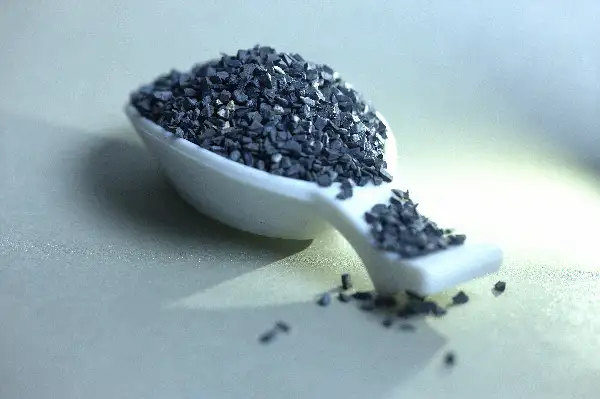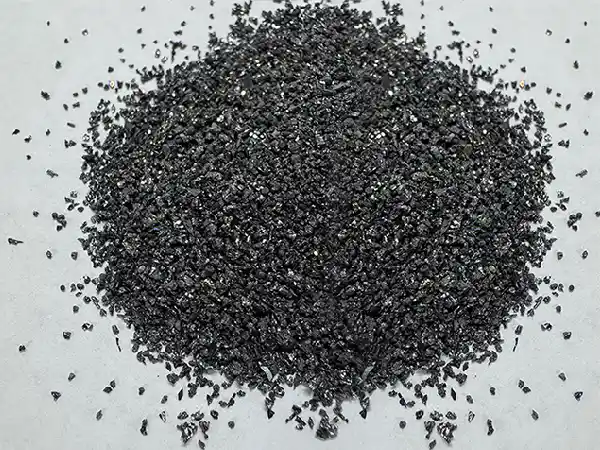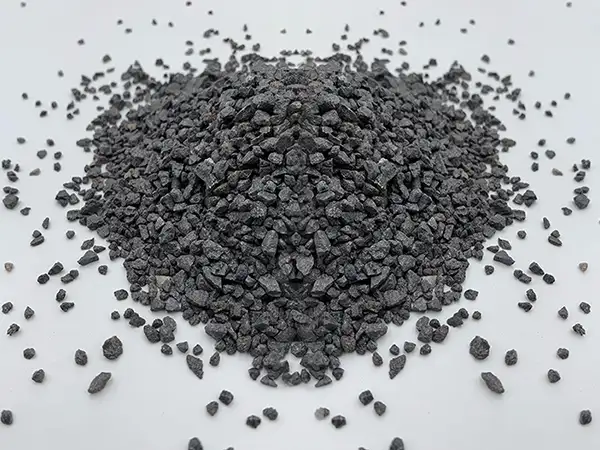
Brown Fused Alumina (BFA) is a cornerstone raw material in the refractory industry, valued for its exceptional thermal stability, high refractoriness, and resistance to slag attack. Unlike white fused alumina (WFA), BFA contains controlled levels of impurities (primarily TiO₂, Fe₂O₃, and SiO₂) that act as beneficial sintering aids, enhancing densification and mechanical strength at high temperatures. This makes it the material of choice for heavy-duty refractory applications in steelmaking, cement, and non-ferrous metallurgy.
Brown Fused Alumina (BFA) is a cornerstone raw material in the refractory industry, valued for its exceptional thermal stability, high refractoriness, and resistance to slag attack. Unlike white fused alumina (WFA), BFA contains controlled levels of impurities (primarily TiO₂, Fe₂O₃, and SiO₂) that act as beneficial sintering aids, enhancing densification and mechanical strength at high temperatures. This makes it the material of choice for heavy-duty refractory applications in steelmaking, cement, and non-ferrous metallurgy.
BFA’s performance in harsh thermal environments is defined by four critical attributes:
• High Refractoriness: With a melting point exceeding 2,050°C and a refractoriness under load (RUL) typically above 1,700°C, it maintains structural integrity in extreme heat.
• Sintering Activity: The titania (TiO₂, 2.0–3.0%) and iron oxide impurities form a liquid phase at high temperatures, promoting liquid-phase sintering. This fills voids, reduces porosity, and increases the hot modulus of rupture (HMOR) of the refractory product.
• Corrosion Resistance: Its dense, crystalline alpha-alumina structure is highly resistant to penetration by acidic and neutral slags, common in steel and blast furnace operations.
• Thermal Shock Resistance: BFA exhibits moderate thermal expansion and good toughness, preventing catastrophic cracking during rapid temperature cycles (heating/cooling).
BFA is the primary aggregate in high-performance castables used for steel ladles, tundishes, and blast furnace stoves:
• Steel Ladle Linings: BFA-based castables are used for working linings due to their excellent resistance to FeO-rich slags and mechanical abrasion from molten steel. The TiO₂ in BFA reacts with magnesia to form magnesium titanate spinel, further improving slag resistance.
• Tundish Working Layers: For continuous casting, BFA castables provide a cost-effective solution with good thermal insulation and resistance to erosion.
BFA is the main component in manufacturing high-alumina bricks (Al₂O₃ content 48% to 85%), which are categorized by their alumina percentage:
• Fireclay & High-Alumina Bricks: Used in the transition zone of cement kilns, these bricks leverage BFA’s thermal shock resistance to withstand the cyclic heating and alkali (K₂O, Na₂O) attacks common in cement production.
• Blast Furnace Bricks: BFA-based bricks line the lower stack and bosh of blast furnaces, where they resist abrasion from descending burden and corrosion from hot reducing gases.
Due to its toughness and resistance to acidic flue gases, BFA is used in castables for:
• Waste Incinerator Linings: Resists corrosion from acidic fly ash and thermal shocks from waste combustion.
• Circulating Fluidized Bed (CFB) Boilers: BFA castables line furnace walls and cyclones, enduring high-velocity solid particle erosion and sulfide corrosion.
BFA’s angular particle shape provides excellent interlocking and packing density, making it ideal for:
• Gunning Mixes: Sprayed onto the lining of blast furnaces, steel converters, and ladles for repair and maintenance. The angular particles bond well with the existing refractory surface.
• Ramming Masses: Used in induction furnace linings, BFA ramming masses provide high density and resistance to thermal shock.
While requiring finer grades, BFA micro powder is used in the ceramic shell molds for investment casting (lost wax process):
• It serves as a stucco material in the backup layers of the shell, providing high green strength and resistance to the thermal shock of molten metal pouring (e.g., superalloys for aerospace).
BFA is utilized in the refractory industry in several physical forms:
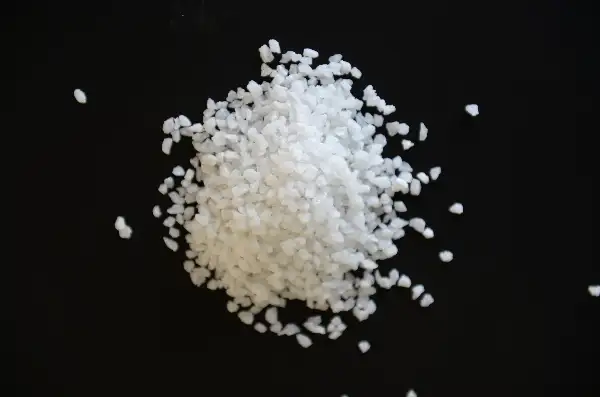
• Aggregate (0–1mm, 1–3mm, 3–5mm, etc.): Crushed and sized BFA is the main body (skeleton) of bricks and castables.
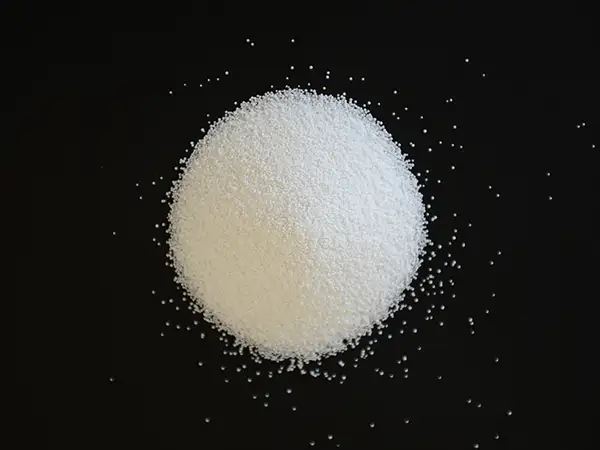
• Fines & Micro Powder (<0.088mm): Used as a matrix component in castables to fill gaps between aggregates and facilitate sintering.
• Tabular Alumina (from BFA): BFA is often further processed into tabular alumina (calcined at 1,800–1,900°C) for higher purity and volume stability in premium refractories.
• Cost vs. Performance: BFA offers a superior balance compared to white fused alumina (WFA). While WFA is purer, BFA’s impurities (TiO₂) actually improve sintering and slag resistance in many metallurgical applications, at a lower cost.
• Toughness: BFA is tougher and more resistant to mechanical impact than tabular alumina, making it preferred for areas with high abrasion.
Brown Fused Alumina (BFA) is irreplaceable in the refractory industry due to its unique combination of sintering activity, thermal stability, and cost-effectiveness. Its ability to form strong, dense microstructures with enhanced hot strength makes it the backbone of linings for steel ladles, cement kilns, and blast furnaces, ensuring reliable operation in the world’s most demanding high-temperature industrial processes.
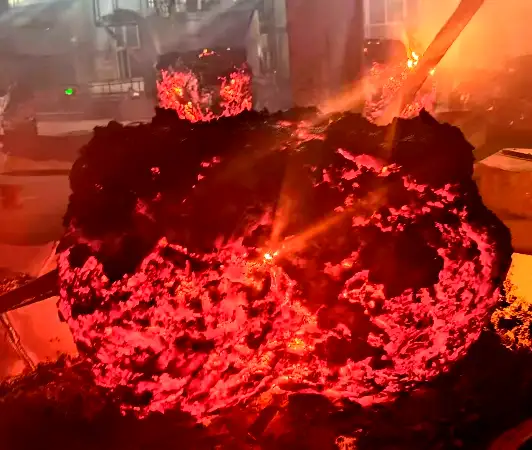
Tilting Furnace (Turn-over Furnace) Barmac Crushing
|
Items |
Unit |
Index |
Typical |
|
|
Chemical Composition |
Al2O3 |
% |
95%min |
95.56 |
|
SiO2 |
% |
1.2max |
0.96 |
|
|
Fe2O3 |
% |
0.30max |
0.09 |
|
|
TiO2 |
% |
3.00max |
2.55 |
|
|
Melting point |
℃ |
2050 |
||
|
Refractoriness |
℃ |
1980 |
||
|
True density |
g/cm3 |
3.90min |
||
|
Mohs hardness |
--- |
9.00min |
||
|
Refractory grain sizes |
mm |
0-50, 0-1, 1-3, 3-5, 5-8 |
||
|
Fine powder |
mesh |
-80, 100, 150, 200, 325F |
||
|
Abrasives Grits |
FEPA |
8, 14, 16, 20, 22,24, 30, 36, 40, 46, 60, 70, 80, 90, 100, 120, 150, 180, 220, 240 |
||
|
Fixed Furnace Barmac Crushing |
||||
|
Items |
Unit |
Index |
Typical |
|
|
Chemical Composition |
Al2O3 |
% |
95%min |
95.23 |
|
SiO2 |
% |
1.5max |
1.28 |
|
|
Fe2O3 |
% |
0.30max |
0.17 |
|
|
TiO2 |
% |
3.00max |
2.62 |
|
|
Melting point |
℃ |
2050 |
||
|
Refractoriness |
℃ |
1980 |
||
|
True density |
g/cm3 |
3.90min |
||
|
Mohs hardness |
--- |
9.00min |
||
|
Refractory grain sizes |
mm |
0-50, 0-1, 1-3, 3-5, 5-8 |
||
|
Fine powder |
mesh |
-80, 100, 150, 200, 325F |
||
|
Abrasives Grits |
FEPA |
8, 14, 16, 20, 22,24, 30, 36, 40, 46, 60, 70, 80, 90, 100, 120, 150, 180, 220, 240 |
||
More information pls contact us:

Zhengzhou Xiangyu New Material Co.,Ltd
We provide bespoke industry solutions for diverse sectors.